


Introduction
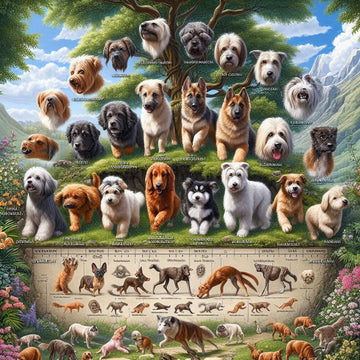
Dogs, known as "man's best friend," didn't always have such a close bond with humans. Their history spans thousands of years, from their wild ancestors to the beloved companions we know today. This article traces the evolution of dogs, exploring how they emerged, their role throughout history, and their impact on modern societies.
Wild Ancestors: The Origin of the Dog
-
The Gray Wolf (Canis lupus):
- Between 20,000 and 40,000 years ago, wolves began interacting with early humans. DNA studies confirm that dogs are descended from the gray wolf.
- Possible reasons for domestication: Less aggressive wolves may have been attracted to human food scraps, initiating a symbiotic relationship.
-
Early Domestication:
- Genetic records suggest that domestication occurred independently in various parts of the world, such as Europe, East Asia, and the Middle East.
- Genetic changes: Domesticated wolves began to develop distinct physical and behavioral traits, such as floppy ears, smaller sizes, and a more docile temperament.
Dogs in Human History
-
Early Civilizations:
- In Egypt, dogs were symbols of protection and were associated with Anubis, the god of death.
- In Mesopotamia, dogs were guardians of homes and temples.
- Dogs were already used as hunters, herders, and companions.
-
Global Expansion:
- Around 1000 BC, dogs accompanied humans on their migrations, adapting to various climates and tasks.
- Breeds began to diversify according to local needs.
Scientific and Genetic Impact
-
The Diversification of Breeds:
- Currently, more than 400 dog breeds are recognized, each with unique characteristics developed by humans for work or companionship.
- Examples: Border collies as herders, Labradors as assistance dogs, and Chihuahuas as companion dogs.
-
Recent Genetic Discoveries:
- Studies of the dog genome have revealed key information about genetic diseases shared with humans.
The Dog-Human Relationship in Modern Times
-
Dogs as Family:
- In the 21st century, dogs have transitioned from being guardians or workers to being considered essential family members.
- Changes in cultural perception: Greater emphasis on animal rights and welfare.
-
Modern Roles:
- Therapy and assistance: Service dogs for people with disabilities, autism, or PTSD.
- Digital influence: Dogs are protagonists on social media, demonstrating their cultural importance.
Conclusion
The history of dogs is a testament to the connection between humans and animals. From wild wolves to modern pets, dogs have evolved, adapting not only to their environment but also to our needs and emotions. Today, they continue to be loyal companions, reminding us of the rich history we share.