


Introduction
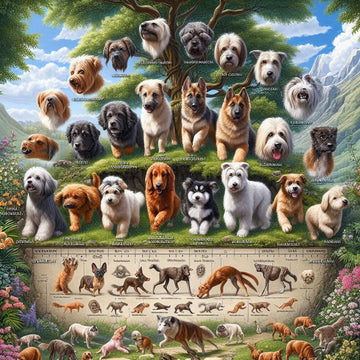
Dog food has come a long way, from table scraps to concentrated foods and natural diets like BARF. This article explores how cattle feeds influenced the creation of dog food, the early uses of BARF diets, and their current proliferation.
Concentrated pet foods are a daily staple in modern households, but few know the fascinating history behind their creation. From humble beginnings as simple rations to becoming a global industry, concentrates have evolved to meet the nutritional needs of our pets.
The First Steps: Homemade Food and Scraps
-
- For centuries, domestic animals survived by eating human leftovers or whatever they could hunt. Diets were unregulated and varied according to region and food availability.
- In rural societies, dogs and cats lived on farms where they hunted rodents or consumed waste.
Need for Standardization:
- As pets became more integrated into urban environments in the 19th century, the need for more practical and healthy foods arose, as human leftovers were not always sufficient or appropriate for their nutrition.
The Invention of the First Concentrated Food
-
James Spratt and the First Commercial Ration:
- In 1860, James Spratt, a British businessman, observed dogs eating ship biscuits during a trip to London. Inspired, he developed the first commercial dog food: a type of biscuit made with wheat, vegetables, beetroot, and beef blood.
- This product became known as "Spratt's Patent Meat Fibrine Dog Cakes" and marked the beginning of the pet food industry.
-
Expansion to the United States:
- In the late 19th century, Spratt moved his business to the United States, where pet foods began to gain popularity among the middle class.
Diversification and the Industry Revolution
-
Innovations in the 20th Century:
- In the 1920s, new companies emerged, such as Milk-Bone, which introduced specific products like biscuits to improve dogs' dental health.
- In the 1950s, Ralston Purina developed extruded dry foods, a method that involved cooking ingredients at high temperatures and pressures to create kibble. This process ensured greater durability and improved nutritional balance.
-
The Entry of Cats:
- Until the mid-20th century, cats did not have foods specifically designed for them. It was from the 1960s onwards that companies began to develop concentrated foods adapted to feline needs, such as high protein levels and taurine.
Cattle Feeds: A Starting Point
The Development of Cattle Feeds:
-
- Cattle feeds emerged as a solution to improve productivity in livestock farming. These feeds combined ingredients such as corn, sorghum, palm meal, and mineral salts to ensure a balanced diet.
- The technology behind concentrated feeds allowed for the creation of durable and easy-to-store foods, setting a precedent for the pet food industry.
The Transition to Dog Food:
- As concentrated feeds proved their effectiveness in animal nutrition, manufacturers began adapting these formulas for dogs. Specific ingredients such as meat proteins and vitamin supplements were added to meet canine needs.
The BARF Diet Revolution
-
Early Uses:
- The BARF (Biologically Appropriate Raw Food) diet was popularized in the 90s by Australian veterinarian Ian Billinghurst. His approach was based on replicating the natural diet of wolves, the ancestors of dogs.
- Early users of the BARF diet noticed significant improvements in their dogs' health, including increased energy, better coat, and dental health.
-
The Expansion of BARF Diets:
- Over time, the BARF diet became a global trend, especially among owners concerned about avoiding additives and preservatives in commercial foods.
- Today, there are commercial versions of the BARF diet, as well as homemade recipes that include raw meat, meaty bones, offal, and fresh vegetables.
Impact and Current Trends
-
Innovation in Dog Food:
- The dog food industry continues to evolve, combining concentrated feed technology with natural approaches like the BARF diet.
- Personalized and sustainable diets are gaining popularity, reflecting a shift towards conscious nutrition.
-
A Cultural Shift:
- Feeding dogs is no longer just a necessity; it's a way of expressing care and love. Food choices reflect the increasing importance of dogs in human life.
Conclusion
From cattle feeds to BARF diets, dog food has evolved to ensure their health and well-being. By understanding this history, we can make more informed decisions and strengthen our bond with them.